Introduction
Buy the wrong laser cutter and you'll feel it for the next decade, not the next quarter. Bed size, power, and automation readiness lock in your shop's ceiling on speed and profitability long after the invoice is paid.
An undersized or mismatched machine creates bottlenecked production and downtime that eats margin, while blown NEMA and UL tolerances turn spec-driven jobs into rework. The right machine does the opposite: faster cycle times and cleaner edges, with a shorter path to ROI.
Fiber laser adoption in metal fabrication continues to outpace CO2 and plasma systems because it cuts faster and cheaper on most sheet and plate work. This guide breaks down what actually matters when choosing a large format system.
TL;DR
- Large format laser cutters use high-power fiber lasers to cut oversized metal sheets fast and precisely
- Selection depends on bed size, laser power, material compatibility, and total cost of ownership
- Fiber lasers typically beat plasma and waterjet on cycle time and cost-per-part, with cleaner edge quality
- Match the machine to today's volume, but leave room for automation as production grows
What is a Large Format Laser Cutting Machine?
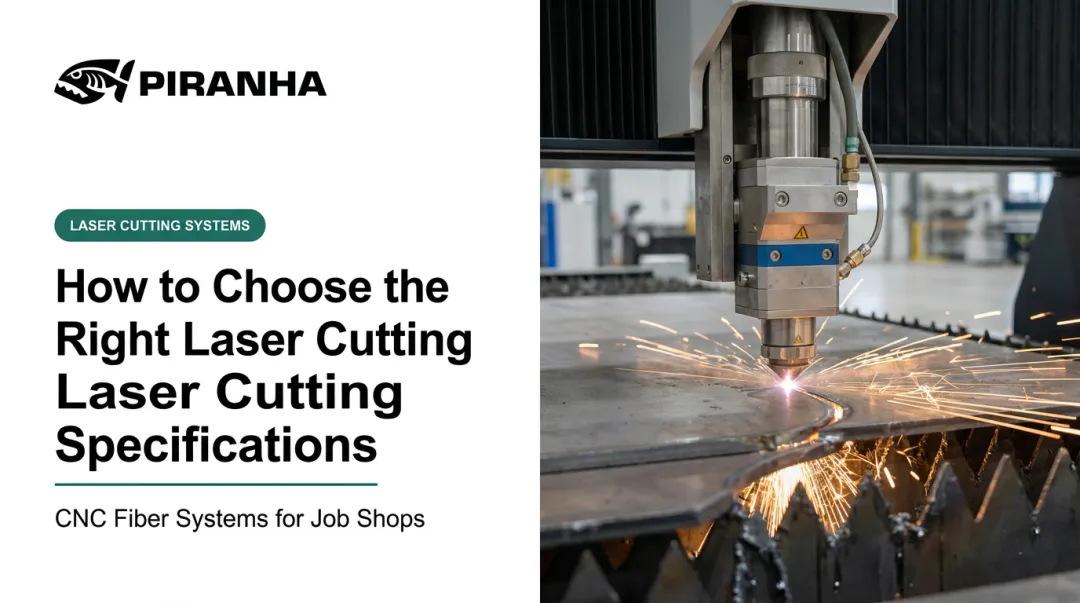
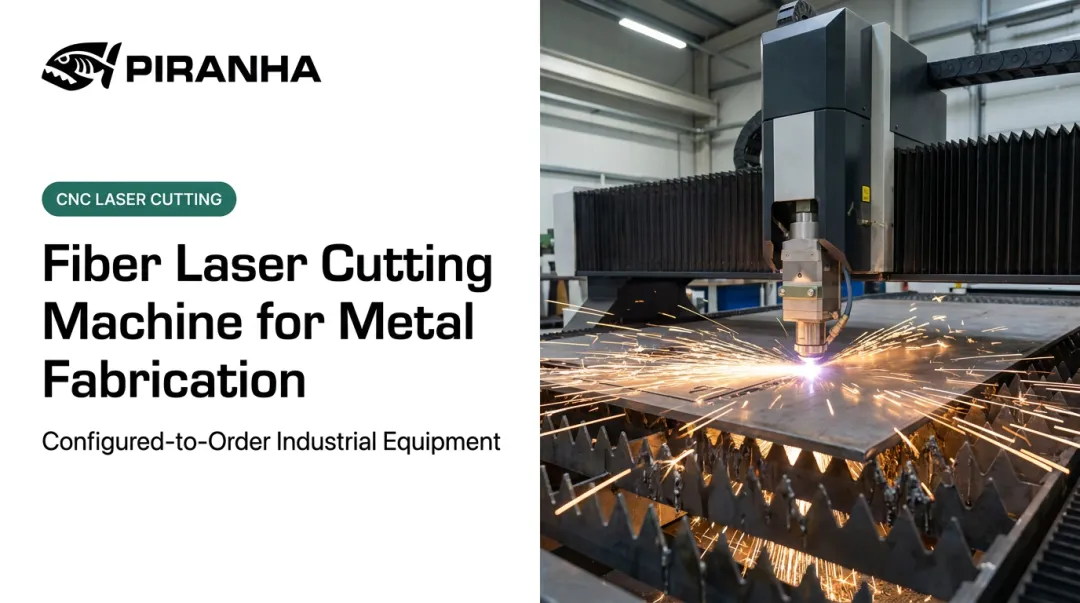
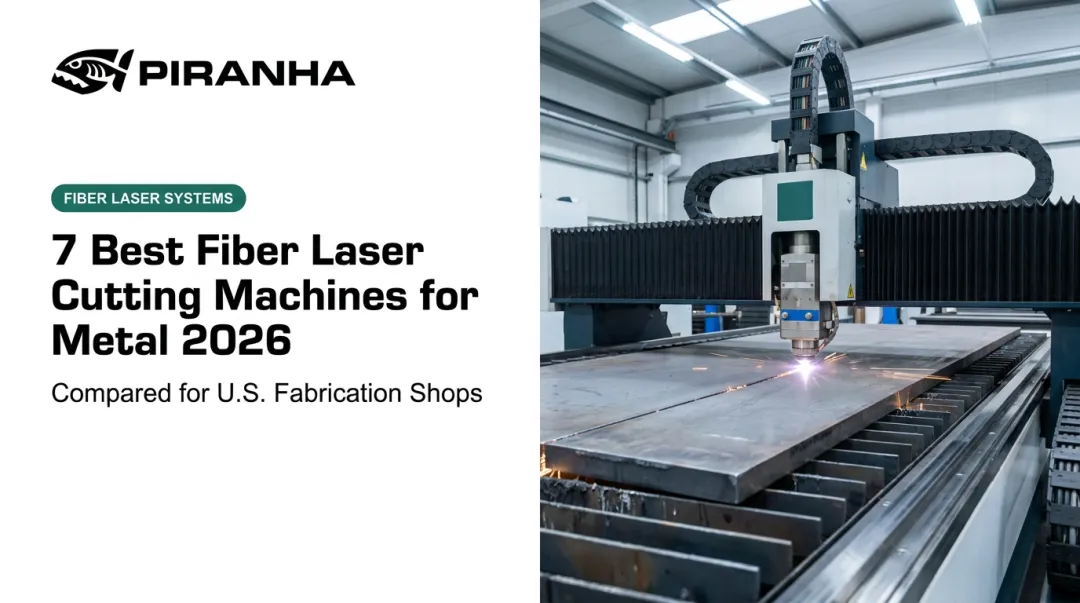
A large format laser cutting machine is a CNC-controlled system that uses a high-power laser, almost always fiber, to cut oversized metal sheets with tight tolerances and minimal manual handling.
Fiber lasers now dominate metal cutting. They cut faster than CO2 systems and cost less to run because the beam is generated by diode-pumped fiber rather than a gas-filled tube. CO2 still shows up in shops that cut a lot of thin non-metal material, but for steel, stainless, and aluminum, fiber has become the default.
Core Components of a Large Format Laser Cutting Machine
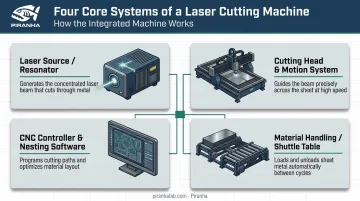
Choosing between fiber and CO2 is only the first decision. Every large format laser is then built from four core systems that work together, and understanding each one helps you compare machines on function, not just spec sheets.
Laser Source/Resonator The fiber laser generator's power rating, measured in kilowatts, directly determines how fast you cut and how thick a plate you can process. A 2 kW source suits thinner gauges and lower-volume shops, while a 12 kW source targets thick plate and high-throughput production runs.
Cutting Head & Motion System Gantry design, rail rigidity, and drive type (rack-and-pinion versus linear motors) determine how accurate and fast the machine stays across a large cutting envelope. Linear drives typically deliver higher acceleration and tighter positioning than rack-and-pinion setups, especially on wide-format beds where the head travels farther per cycle.
CNC Controller & Nesting Software The controller and its nesting software decide how easy the machine is to program and how much material you use per sheet. Modern platforms let operators drag and drop files and auto-nest parts without writing G-code, which shortens setup time and lowers the skill barrier for new hires.
Material Handling/Shuttle Table Pallet changers and shuttle tables let one pallet load while the other cuts, which keeps the laser running instead of sitting idle during changeovers. This single feature often has more impact on daily output than laser power alone.
Benefits of Large Format Laser Cutting
Fabricators aren't switching to large format fiber for novelty. The gains show up directly on the shop floor:
- Higher throughput on large sheets: fewer repositions and fewer secondary cuts per part
- Reduced scrap through smarter nesting across bigger nests and remnant reuse
- Repeatable hole positioning and clean edges that hold up to NEMA and UL compliance checks without rework
- Lower cost-per-part than plasma or waterjet in most thickness ranges
- Multi-material capability: mild steel, stainless, and aluminum on one machine
The speed gap is well documented, and it holds on both thin and thick material.
| Material | Fiber Laser | Alternative Process | Result |
|---|---|---|---|
| 20 mm aluminum | 17 minutes (10 kW fiber) | 8-9 hours (waterjet) | Electricity bill cut by at least one-third |
| 2-inch steel plate | 40 IPM (fiber) | 27 IPM (plasma) | Straight kerf instead of a tapered edge, ready for assembly without secondary finishing |
That straight kerf matters on parts headed straight into assembly, where a tapered edge means added rework.
What to Consider When Choosing the Best Large Format Laser Cutting Machine
Machine selection isn't one-size-fits-all. Material mix, production volume, floor space, and growth plans all push the decision in different directions.
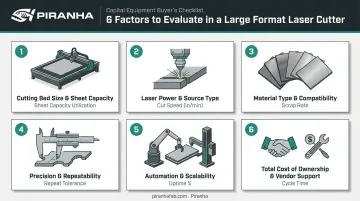
The factors below translate technical specs into measurable outcomes: cycle time, scrap rate, and uptime. Run through them before you request a quote.
Cutting Bed Size & Sheet Capacity
Matching bed size to your typical incoming stock (whether that's 5' x 10' sheets or larger structural plate) cuts down on secondary handling and wasted drop.
KPIs affected:
- Sheet utilization rate
- Parts-per-sheet yield
- Required floor space footprint
Laser Power & Source Type
Power rating and source type (fiber versus CO2) drive cutting speed, pierce time, and the thickest material you can realistically process.
As a rule of thumb, a 6 kW fiber laser with nitrogen assist can cut around ¼-inch carbon steel, while a 2 kW unit tops out closer to 10 gauge under the same conditions. More kilowatts means proportionally more thickness capability and faster feed rates.
KPIs affected:
- Linear cutting speed (in/min)
- Energy consumption per part
- Overall cycle time
Material Type, Thickness & Compatibility
Shops running a mix of mild steel, stainless, and aluminum need optics and power tuned for all three, not just the easiest one to cut.
Assist gas choice matters here too: nitrogen delivers the cleanest edge and greatest thickness range, air handles slightly thinner stock at similar speed, and oxygen trades edge quality for faster mild steel cutting.
KPIs affected:
- Maximum cuttable thickness per material
- Material changeover time
- Edge quality consistency
Precision, Repeatability & Cut Edge Quality
Spec-driven work, such as switchgear enclosures, structural brackets, or anything tied to NEMA or UL tolerances, demands repeatable hole positioning and dross-free edges. A machine that drifts even slightly across a large bed turns into rework you didn't budget for.
KPIs affected:
- Positional tolerance (+/- mm)
- Rework/scrap rate
- Secondary finishing time
Automation & Scalability
A machine built automation-ready from day one saves you from a full replacement later. Look for systems that support pallet changers, load/unload gantries, or towers without a redesign.
Automation isn't marginal. Shops that added it saw green-light-on time (the percentage of a shift the laser is actually cutting) climb from a historical 40-65 percent range up to 80-90 percent, according to The Fabricator.
KPIs affected:
- Unattended run time
- Labor hours saved per shift
- Throughput growth potential
Total Cost of Ownership & Vendor Support
Purchase price is one line item. Service response time, parts availability, and whether support is domestic or overseas determine what the machine actually costs you over five years. Piranha, for example, ships common parts same-day from its Belvidere, IL facility and staffs its support line domestically, so calls get answered without an overseas queue.
KPIs affected:
- Mean time to repair
- Annual maintenance cost
- Machine uptime percentage
How Piranha Can Help
Piranha builds fiber laser cutting machines for shops that need reliability and precision without babysitting a machine through every production run. Here's what sets our large format laser lineup apart.
- In-stock lasers for fast delivery and quicker setup than custom-built orders
- Automation-ready design — add material load/unload systems later without replacing the base machine
- Single-vendor simplicity across your whole fabrication line: laser, press brake, ironworker, plate roll, and shear
- U.S.-based phone support and same-day parts shipping from our Belvidere, IL facility
- 140+ years of manufacturing heritage, including the W.A. Whitney and Bertsch brands
- Real-world cutting advice from fabrication experts before and after the sale
That automation-ready thinking shows up in the machines themselves. Our Flex LASER Series ships standard with a dual-pallet automatic shuttle table, so one side loads while the other cuts. The Piranha-Whitney PlateLASER takes that further with linear drive motors on all axes, bringing pallet change time down to 60-90 seconds per sheet.
Conclusion
Choosing a large format laser cutter comes down to matching machine capability to your actual production reality, not chasing the highest kW number on a spec sheet.
Focus on the machine that fits your material mix, your volume, and the square footage you actually have available, not the most popular one on the trade show floor.
Revisit that decision periodically. As throughput demands grow, your automation needs will too — and the machine you bought two years ago should still have room to scale with you.
Frequently Asked Questions
What size sheet can a large format laser cutter handle?
Large format machines typically handle standard sheet sizes like 5' x 10' or larger, with some XXL tables extending well beyond that. Match bed size to your typical incoming stock to minimize secondary cutting.
What's the difference between fiber and CO2 lasers for cutting metal?
Fiber lasers cut metal faster with lower operating costs and better efficiency on reflective materials like aluminum and stainless steel. CO2 lasers remain better suited to non-metal or thin-gauge applications.
How much does a large format laser cutting machine cost?
Industrial large format fiber lasers vary widely based on power, bed size, and automation level, with entry-level 3 kW systems starting well below higher-power, larger-bed configurations. Evaluate total cost of ownership rather than sticker price alone.
What thickness of steel can a large format fiber laser cut?
Cutting thickness scales with laser power. A 2 kW laser handles roughly 10-gauge mild steel with nitrogen assist, while a 6 kW laser reaches around ¼-inch, and higher-wattage machines cut noticeably thicker mild steel, stainless, and aluminum.
How long does installation and setup take for an industrial laser cutter?
Timelines vary based on facility readiness, including power, ventilation, and foundation work. In-stock machines paired with domestic support and installation teams can shorten lead time compared to custom-built imports.
Can large format laser cutters be automated for unattended operation?
Yes. Piranha's fiber lasers are built with automation in mind and support shuttle tables, load/unload gantries, and storage towers that enable unattended or lights-out running as volume grows.